

Top Language Apps for Self-Study in 2026
Tested the most popular apps used by learners across Dublin and Galway. Here's what actually works...
Read MoreMost people quit because they don't have a system. We've mapped out what works — from 15-minute routines to structured daily schedules that fit real life.

Here's the thing: motivation fades. It's been about three weeks since you downloaded that language app, and now it sits untouched on your home screen. You're not lazy — you just don't have a system.
A routine doesn't rely on how you feel. It's a structure that carries you through the tough days when learning feels like a chore. We've worked with over 400 learners across Dublin and Galway, and the pattern's always the same. People who succeed don't have more time or more natural talent. They've got a routine they actually follow.
This guide breaks down how to build one that fits your life — not some idealized version of it.
Before you design anything, be honest about what you can actually do. Not what you wish you could do — what you genuinely have time for.
If you've got 15 minutes most mornings before work? That's your anchor. If you can squeeze in 30 minutes on weekends plus three 20-minute sessions during the week? That's the framework. The key is consistency, not duration.
Someone doing 15 minutes every single day will outpace someone who does 60 minutes twice a week. Your brain doesn't retain language in chunks — it needs regular reinforcement. That's why we recommend starting smaller than you think you need to.
The sweet spot: 15-30 minutes daily beats 2-3 hour sessions once a week. Your goal is showing up, not exhaustion.

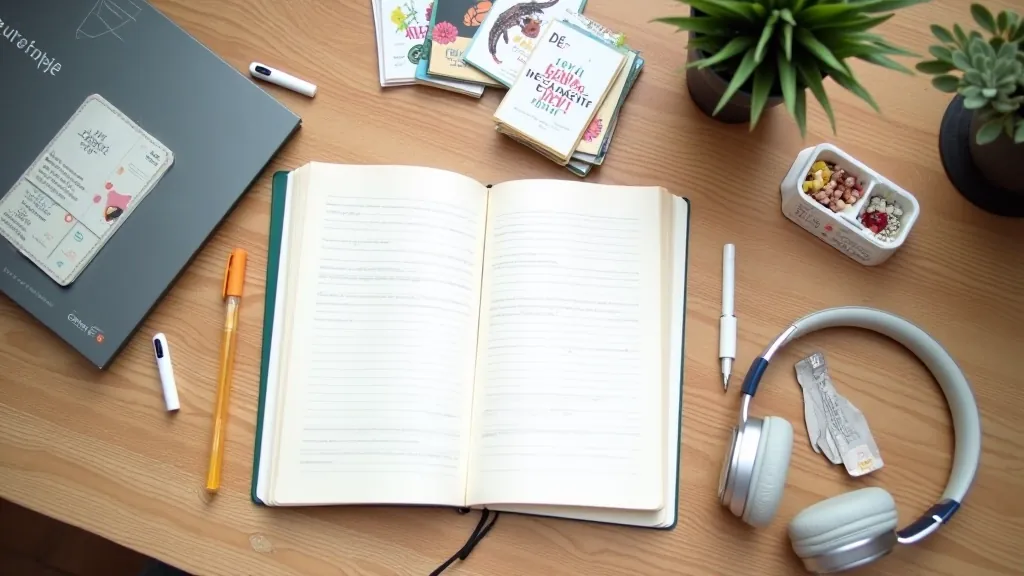
We've tested dozens of approaches, and the most effective ones follow this basic architecture. You don't need to follow it exactly, but this pattern sticks because it balances different learning modes.
Review 10-15 vocabulary words using flashcards or an app. Your brain's getting primed. You're not trying to memorize — just refresh what you've seen before.
This is the main work. Grammar drills, listening to native speakers, writing practice — whatever skill you're focusing on that week. One skill per day works best.
Listen to a podcast, watch a short video, or read something in your target language. You're not learning new material — you're soaking in how the language sounds and flows.
The progress estimates in this guide are based on consistent practice patterns observed across our community. Individual results depend on prior language experience, starting level, and learning style. This information is educational and meant to guide your routine design — not predict specific outcomes. Everyone's journey is different.
Daily practice is foundational, but your week needs structure too. Trying to improve everything at once dilutes your focus. That's why we recommend dedicating each day to a specific skill.
Monday might be grammar. Tuesday is listening comprehension. Wednesday you're doing speaking practice — even if it's just reading aloud. Thursday goes back to grammar but at a different level. By Friday, you're combining skills. The weekend? You review everything from the week and pick one thing you struggled with to revisit.
This rotation means you're not bored — you're not doing the same thing five days straight. And it forces your brain to approach the language from different angles, which actually speeds up retention.
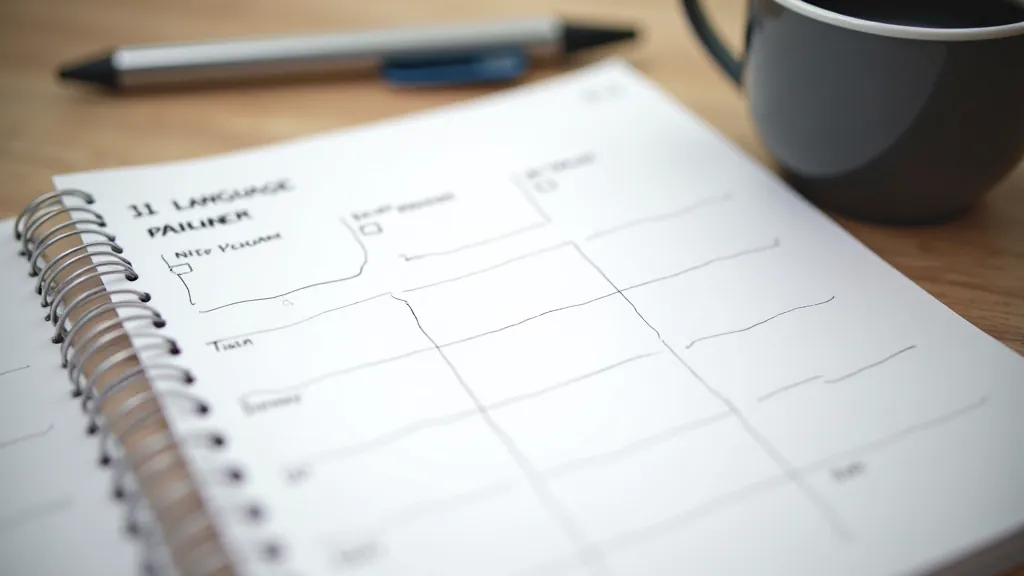


Building a language practice routine isn't about finding the perfect system — it's about starting with something realistic and adjusting as you go. You'll probably change things three or four times before you find what clicks. That's normal.
The people we've worked with who succeeded didn't have more time than you. They didn't have more talent. They just committed to showing up for 15-30 minutes most days, and they stuck with it long enough to see results. That's it.
Pick your time window. Choose your three daily activities. Start this week. You don't need permission or the perfect app or ideal conditions. You just need to begin.
Ready to join language learners building real routines?
Explore More Learning Resources